Sheet 02 · section index
After the Bomb
Post-apocalyptic films from the 1950s to the present — how cinema has staged the aftermath and what each era needed it to look like.
02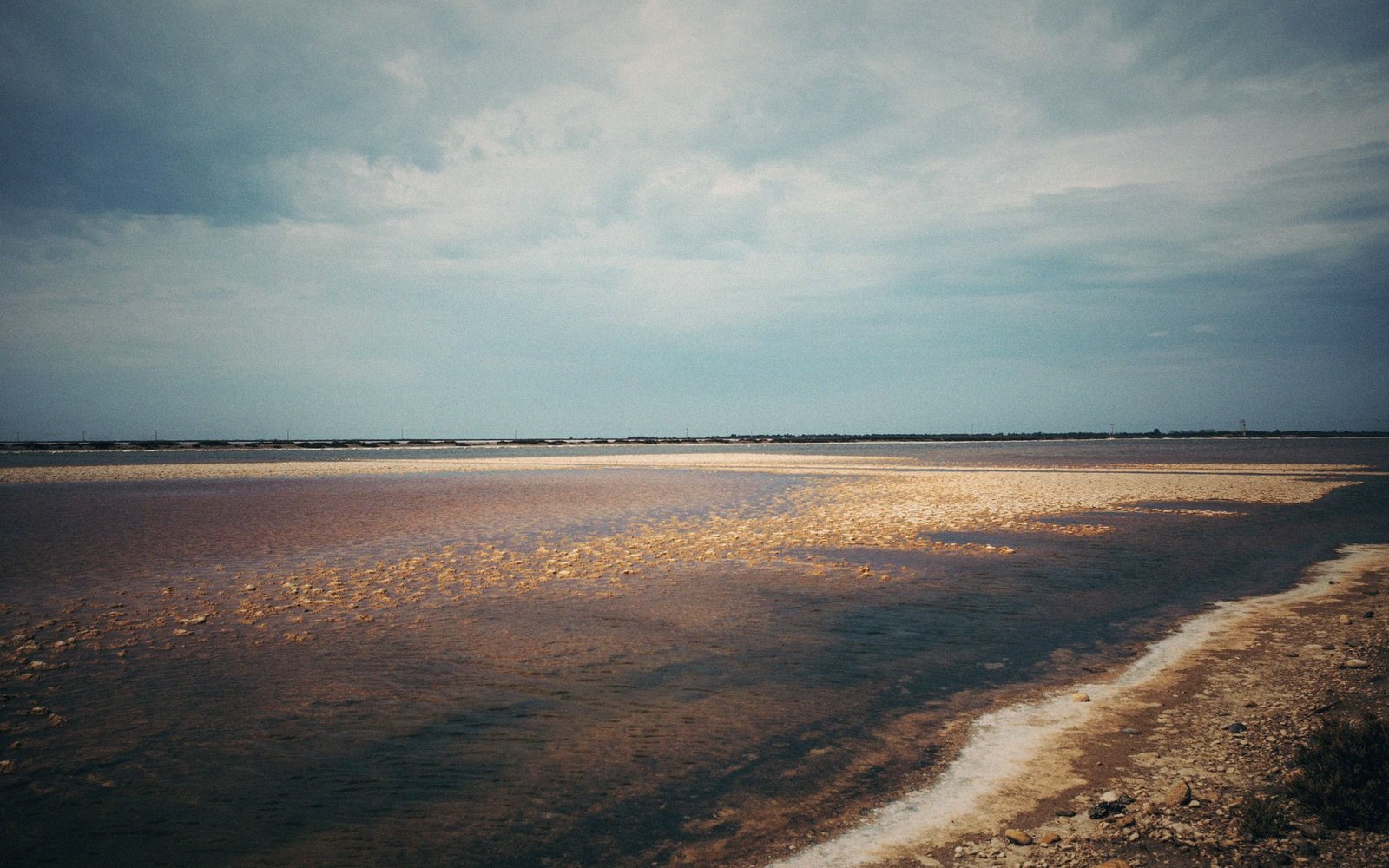
The frames
6 pieces · newest sheet first
- 2.01 On the Beach and the Problem of the Empty StreetA long critical essay on Stanley Kramer's 1959 adaptation and the specific formal problem of staging extinction without bodies — how the film photographs absence and whether that technique succeeds or evades.
- 2.02 The World, the Flesh and the Devil: Three SurvivorsReads the 1959 MGM film as a post-apocalypse picture that is really about what the pre-apocalypse refused to resolve — a piece about the film's racial politics as nuclear-allegory logic, not as a separate social-issues reading..
- 2.03 Panic in Year Zero: Suburban CollapseA walk-through of the 1962 AIP film sequence by sequence, charting how quickly its middle-class family discards its values — and arguing that this moral-collapse arc is more disturbing than any mushroom cloud the film shows..
- 2.04 Threads and The Day After: Two Approaches to the Same WeekCompares the BBC's 1984 Threads and ABC's 1983 The Day After on a shared timeline — the same notional nuclear exchange, two very different decisions about what the camera is allowed to show in the days that follow..
- 2.05 The Road Inherits NothingA short argument that John Hillcoat's 2009 adaptation strips the Cormac McCarthy novel of its one asset — the indeterminacy of cause — and that naming the disaster implicitly is the film's decisive error..
- 2.06 Fallout as Weather: How the Sky ChangedTracks the visual evolution of the post-apocalyptic sky across five decades of films — from the clear blue of On the Beach to the ash-grey perpetual overcast of later productions — as a measure of how the genre's assumptions about survivability shifted..