Frame 11 · After the Bomb · examined as evidence, not illustration
After the Bomb
The Road Inherits Nothing
A short argument that John Hillcoat's 2009 adaptation strips the Cormac McCarthy novel of its one asset — the indeterminacy of cause — and that naming the disaster implicitly is the film's decisive error..
The film's one fatal choice: the moment it names what the novel never did.
The Disaster Hillcoat Could Not Leave Unnamed
Cormac McCarthy's novel The Road (2006) is built on a productive silence. The catastrophe that ended the world is never identified. No mushroom cloud, no missile arc, no isotope. The prose simply arrives after the fact, into grey ash and absolute cold, and the reader's dread fills the gap. That indeterminacy is not a gap in the storytelling — it is the storytelling. The cause is unknowable because for the man and the boy it is irrelevant. Survival does not require a taxonomy of disasters.
The decisive cut
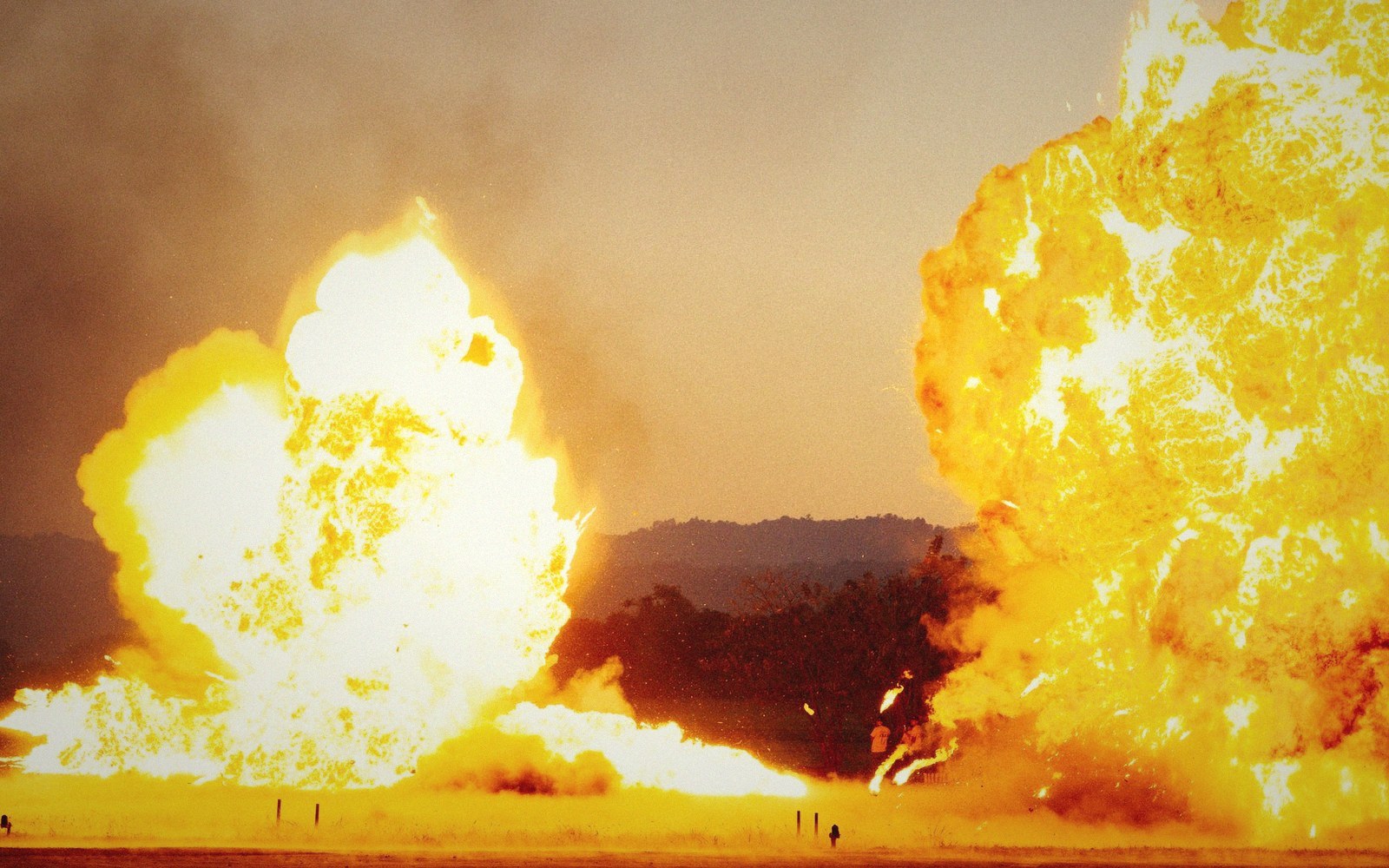
Strip 1 / 1 · lifted from the reel
01
The fireball-horizon flashback sequence — roughly minutes 3–5 of the film, the moment the unnamed becomes named
02
McCarthy's prose strategy: cause never mentioned, not even obliquely; contrast with Hillcoat's visual choice
John Hillcoat's 2009 adaptation, shot largely in the exhausted landscapes of Pennsylvania and Oregon, understands this intellectually and then ignores it cinematically. Within the first five minutes, the film supplies flashback imagery: a fireball horizon, a shockwave rolling across a suburban treeline, Charlize Theron's face lit orange by distant detonation. The grammar is unmistakable. Every audience member who has seen fifty years of nuclear-age cinema — the mushroom-cloud stock shots, the AEC test reels, the civil-defence films repurposed as B-picture sets — reads those images as one thing and one thing only. Hillcoat did not write the word "nuclear." He did not need to. He deployed a visual vocabulary so thoroughly codified that the cause announces itself in under a minute.
02
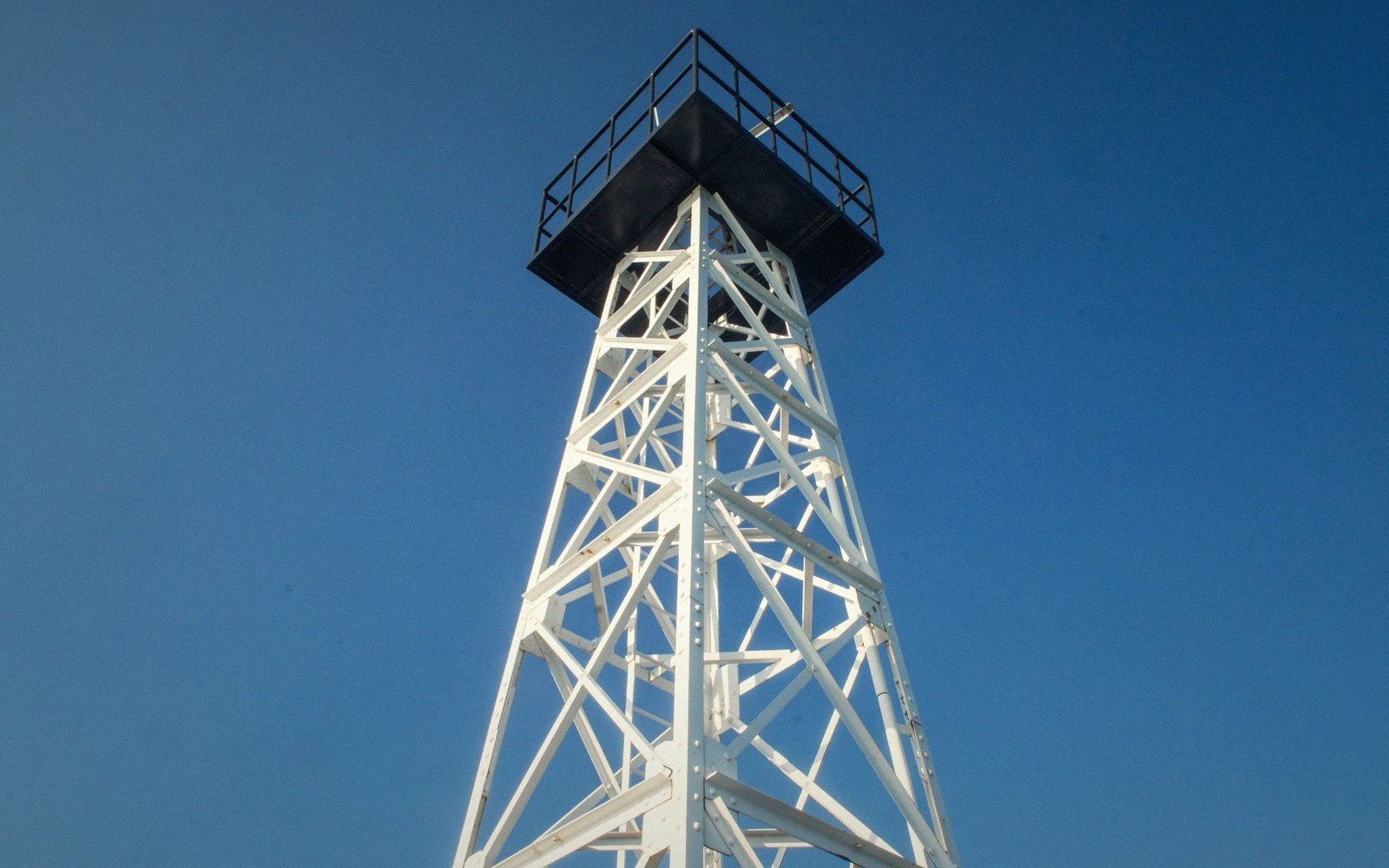
A steel shot-tower on the flat — the silhouette half the desert pictures were built around.Photo: Jan van der Wolf / Pexels
The novel's silence was a formal argument: that scale of destruction transcends its own origin. The film's images are a capitulation to a different argument, the Hollywood one — that an audience requires orientation, that dread without a source is merely confusion. This is wrong, and it costs the adaptation everything. Once the cause is legible, the film becomes a post-apocalypse picture like any other. The ash is now fallout; the dying trees are now irradiated; fallout as weather becomes a genre convention rather than an existential given. The specific horror of McCarthy's world — that it does not matter why, only that it is — collapses into the familiar.
What remains is technically accomplished: Javier Aguirresarobe's grey-drained cinematography, a Viggo Mortensen performance of genuine physical diminishment, and Joe Penhall's screenplay, which preserves enough of the novel's dialogue to remind you what was discarded around it. But the film's emotional register is that of a very good genre entry, not of the thing McCarthy wrote. The disaster has been named, the gap has been closed, and the reader's dread — the one resource the novel handed the adaptation for free — has been spent in the opening reel.