Frame 06 · The Supporting Programme · examined as evidence, not illustration
The Supporting Programme
The Double-Bill Programme as a Unit
Reconstructs several actual 1955–1958 drive-in double-bills from trade-press records to show that the pairing of films was itself an editorial act — two anxieties on one ticket, one monster per side.
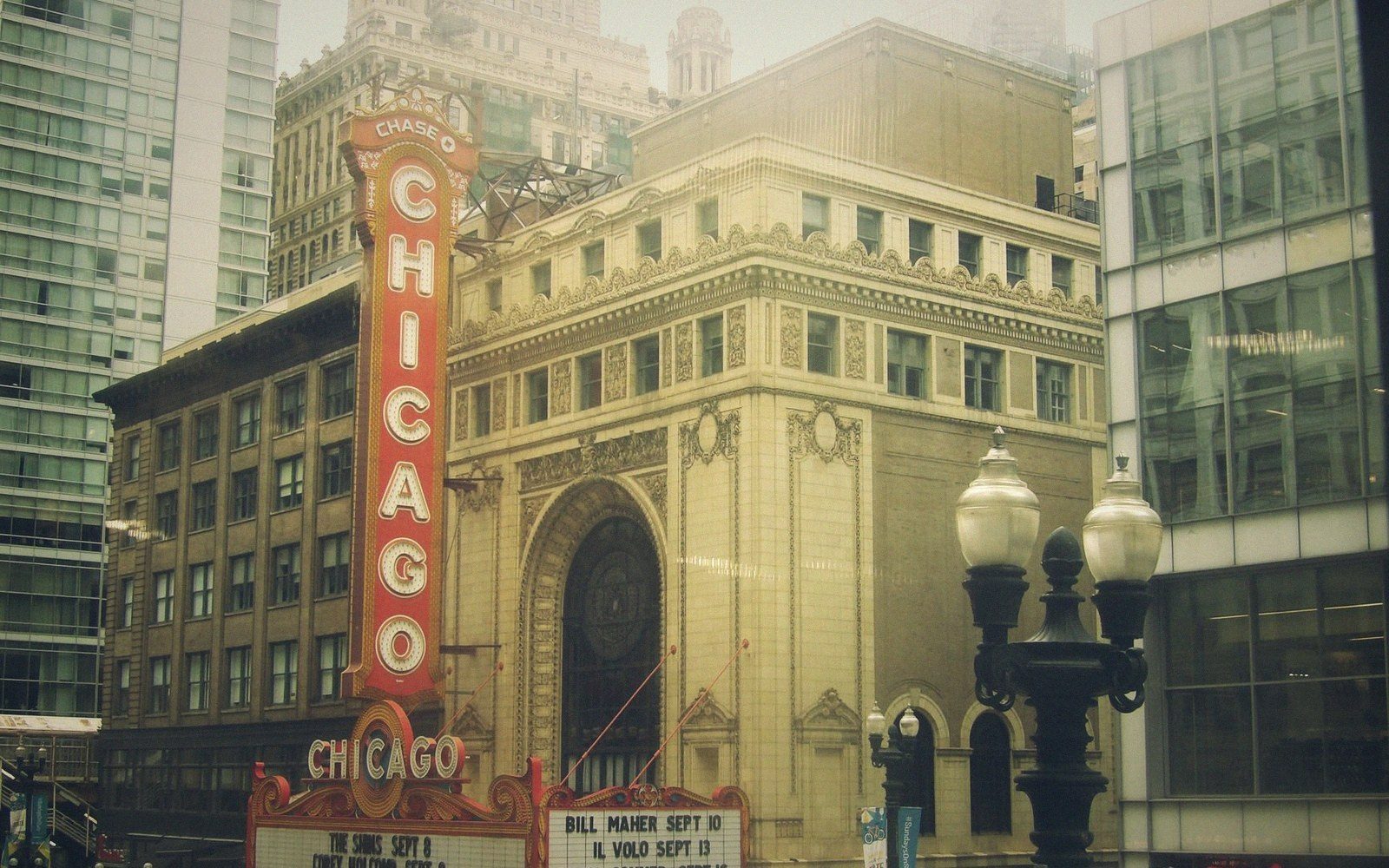
The Double-Bill Programme as a Unit — the frame this piece is written against.Photo: Rubi Murillo Cruz / Pexels
Two Anxieties, One Ticket: The Drive-In Double-Bill as Editorial Act
The double-bill is almost never discussed as a form. Critics write about films; exhibitors assembled programmes. That distinction matters, because in the drive-in years of 1955–1958, the pairing of features was itself an argument — about fear, about scale, about what audiences were apparently ready to sit with back-to-back in the dark behind their windshields.
Trade papers from the period, particularly Boxoffice and Motion Picture Herald, logged double-bill bookings with enough regularity that patterns emerge. The pairings were not random. Exhibitors — or more precisely, the regional booking agents who served them — were making editorial choices, grouping films by register of dread, by the type of monster, and sometimes by a rough thematic symmetry that a film-school syllabus might envy.
Scale Paired with Scale
One recurrent pairing in summer 1955 drive-in bookings placed Warner Bros.' Them! (1954) alongside Universal's Tarantula (1955). On paper this looks like redundancy — two giant-arthropod pictures sharing a screen. In practice the pairing sharpens both films. Them! works through institutional response: the FBI, the Army, the gradual escalation of governmental competence. Tarantula is almost its inversion, a story of a single scientist whose private experiment escapes its laboratory before any institution even knows there is a problem. Billed together, they constitute a debate about where the threat originates: the desert, the lab, the bureaucratic blind spot. The audience had a few minutes between features to eat a hotdog and feel both kinds of unease.
Universal's Tarantula and American International's The Spider were also occasionally paired in later 1958 bookings, a comparison that rewards closer reading than either film invites alone. But the more instructive pairings from that year combined creature features with something quieter and more explicitly nuclear. Regional circuits in the Southwest — Arizona, Nevada, New Mexico — sometimes booked Universal's The Incredible Shrinking Man (1957) opposite American International's The Amazing Colossal Man (1957). The joke is not subtle: one man contracts, the other expands. The joke is also, in retrospect, a precise diagram of the psychic territory that radioactive anxiety occupied. Contamination could make you vanish; it could make you monstrous and enormous. Both outcomes were equally plausible to the filmmakers, which tells you something about the period's imaginative relationship to dose.
Chronology of pairings
Strip 1 / 2 · lifted from the reel
01
1955, summer — Them! (Warner Bros., 1954) and Tarantula (Universal, 1955) booked together on drive-in circuits; giant-arthropod double
02
1956, Midwest — The Mole People (Universal) as first feature, Invasion of the Body Snatchers (Allied Artists) as second
03
1957 — The Incredible Shrinking Man (Universal) and The Amazing Colossal Man (AIP) paired in Southwest regional circuits
04
1958, late — Tarantula and American International's The Spider paired on some regional bookings
The Landscape as the Second Feature
A subtler editorial pattern concerns what surrounded the monster film rather than what equalled it in monstrousness. Several 1956 Midwest bookings placed Allied Artists' Invasion of the Body Snatchers as the second feature behind a straightforward creature picture — recorded pairings include it behind The Mole People (Universal, 1956). The first picture offers an identifiable enemy, something to run from. The second refuses that comfort entirely. There is no monster to flee in Siegel's film; the enemy is already inside the community, wearing familiar faces. Booked in that order, the programme moves from legible threat to illegible one, from a creature that can be bombed to a condition that cannot. The audience encountered that progression as a single evening's entertainment.
02
A lit letter-board at street level: the exhibitor’s half of the argument.Photo: David Guerrero / Pexels
That was the exhibitor's art: sequence. Which film opened the night determined whether the second feature arrived as confirmation or as counterargument. Opening with Tarantula and closing with Invasion of the Body Snatchers produces a specific emotional arc — from external, giant, incinerateable threat to interior, invisible, irreversible infection. Reverse the order and the giant spider functions as cathartic relief, a monster you can at least point a flamethrower at.
Key exhibitor logic — the pairing types
Strip 2 / 2 · lifted from the reel
01
Scale vs. scale — two giant-creature films that constitute a debate (external threat vs. laboratory origin)
02
Expansion vs. contraction — irradiated gigantism against irradiated diminishment; same cause, opposite outcome
03
Legible threat / illegible threat — conventional monster as opener, body-snatcher-style invisible contagion as closer; sequence determines the emotional arc
Exhibition as Criticism
None of the booking agents responsible for these pairings wrote criticism. They wrote order forms. But the double-bill programme they assembled was a critical act by another name — a juxtaposition that created meaning neither film manufactured alone. The drive-in screen was wide enough to hold two anxieties per night, and the exhibitors used that width. When historians discuss atomic-age cinema they almost invariably discuss individual films. The unit of experience for most audiences at the time was the programme: two features, a cartoon, a newsreel, and the concession-stand crawl, all nested inside a single evening. The meaning lived in the gap between the films, in the ninety-odd feet of trailer-and-intermission darkness between one mushroom cloud's logic and the next.
That gap is where the period's real film criticism happened, and it was written by no one in particular, which is perhaps why it has gone mostly unread.